Thai Train Classes Explained: 1st Class vs 2nd Class Sleeper
Key Takeaway: Second Class AC Sleepers are the absolute sweet spot for Thai train classes and travel, costing roughly $25-$32 for the 13-hour overnight run from Bangkok to Chiang Mai. Skip the sweltering Third Class fan seats for any journey over three hours. Secure your lower berth early, especially for the popular new CNR trains, and book train tickets online at thailandtrain.org up to 90 days in advance.
The rhythmic clatter of wheels on steel at 2:00 AM hits differently when you are stretched out in a crisp, air-conditioned bunk instead of sweating upright on a wooden bench. Getting your ticket right makes or breaks your journey across the Kingdom. If you want Thai train classes explained: sleeper, AC, and fan seats all offer wildly different experiences for just a few dollars difference. Choose wisely. You don't want to learn the hard way that a 14-hour ride on a hard wooden slat is a bad idea.
Whether you are a backpacker stretching a budget or a comfort-seeking traveler wanting a rolling hotel room, navigating the different Thailand train classes is essential. The State Railway of Thailand (SRT) operates a diverse fleet. You will find everything from brand-new, Chinese-built sleeper cars with airplane-style toilets to decades-old carriages cooled only by the tropical breeze. Let's break down exactly what to expect, what to avoid, and how to secure the best seat for your itinerary.
Understanding Thai Train Classes: The Railway System at a Glance
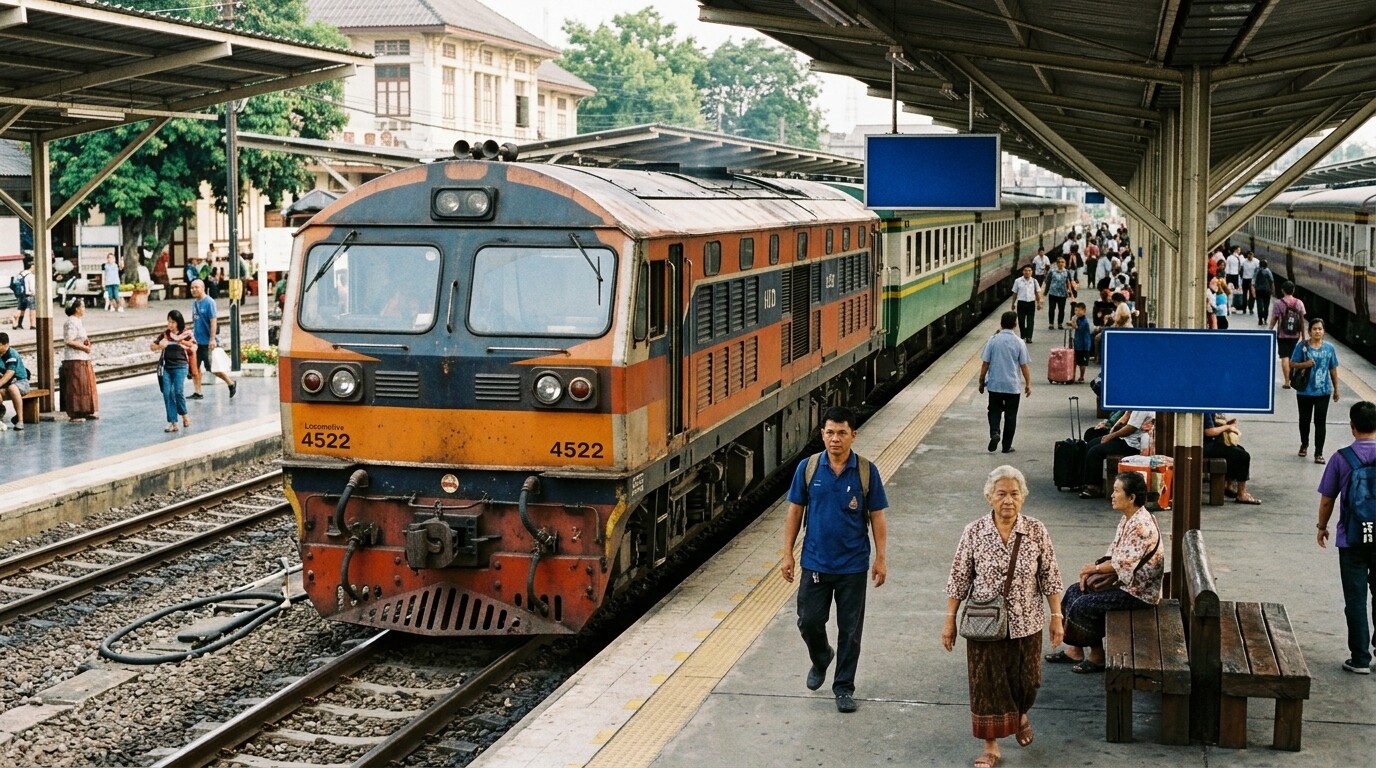
Before we dive into the specifics of each carriage type, here is a rapid-fire look at the various Thai train classes the State Railway of Thailand actually runs out of the Krung Thep Aphiwat Terminal Guide: Skip Queues in Bangkok.
- First Class Sleeper: Private lockable cabins, icy AC, personal washbasins. Roughly $45-$60. Check Thai train class availability.
- Second Class Sleeper (AC): Open-plan carriages with curtained bunks. Roughly $25-$35. The undisputed backpacker favorite.
- Second Class Sleeper (Fan): Cheaper, windows open to the breeze. Expect soot and noise.
- Second Class Seat (AC/Fan): Reclining padded seats for daytime trips. Excellent legroom.
- Third Class Seat (Fan): Hard wooden or lightly padded benches. Dirt cheap (often under $5) but brutal for long hauls.
First Class vs. Second Class Sleepers: The Overnight Heavyweights
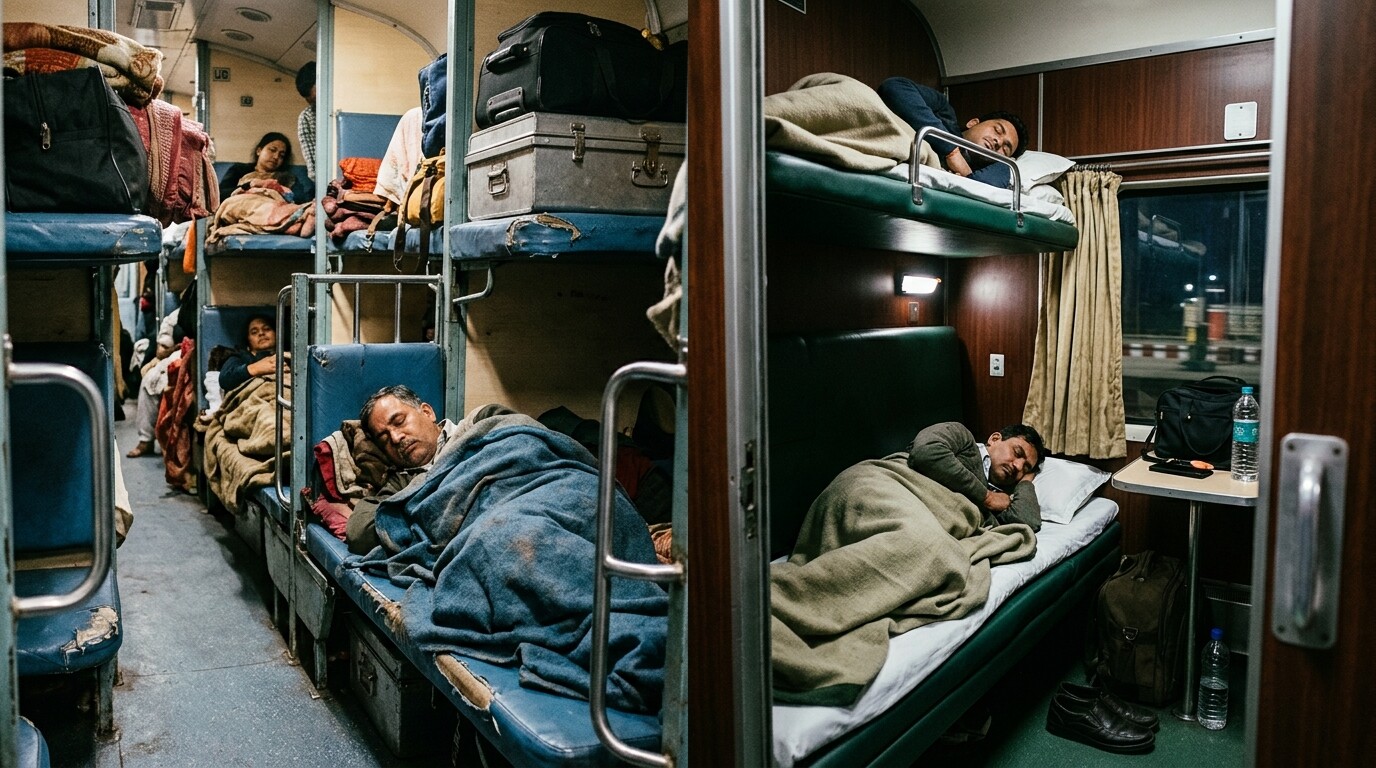
Let's talk about the overnight runs. You are probably eyeing the 13-hour trek up north to Chiang Mai or the long haul down to Surat Thani for the islands. First class gets you a private, lockable two-berth cabin. It features a dedicated washbasin, a plug socket, and air conditioning you control. It feels like a rolling hotel room. If you are traveling solo, you might share the cabin with a stranger of the same gender unless you buy out the whole room. First Class cabins sell out weeks in advance, so booking early is non-negotiable.
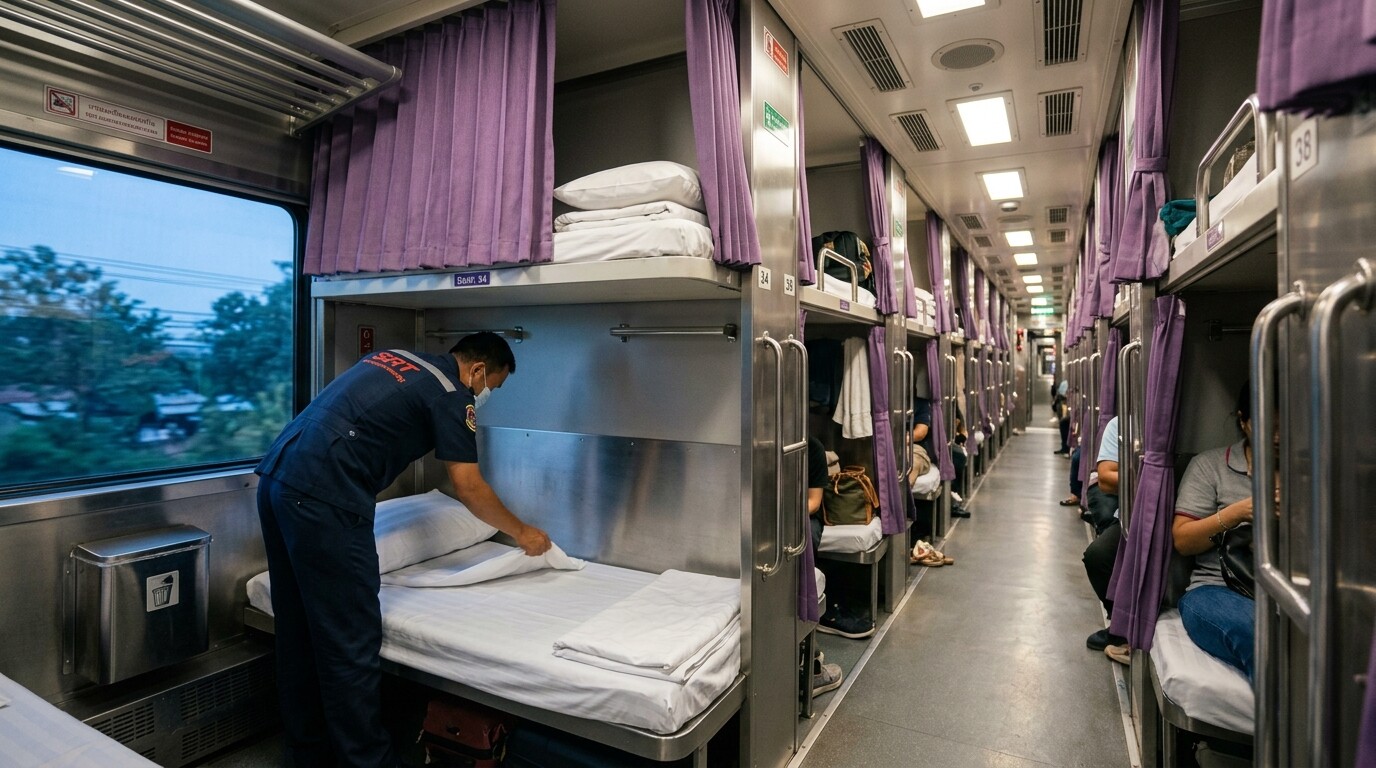
But Second Class AC is where the real magic happens. You get a comfortable bed in an open-plan carriage, masked by heavy, opaque curtains for privacy. The beds run parallel to the train walls, meaning you sleep in the direction of travel. Second Class AC Sleepers offer 90% of the comfort of First Class for half the price, making them the absolute best value among all Thai train classes. The lower bunk is wider, cooler, and comes with a window. Always book the lower bunk. Check latest prices on our Thailand Train Travel Guide: Routes, Classes & Online Booking to snag yours early.
For female solo travelers, the SRT offers dedicated Thai train classes specifically for women and children in Second Class AC on major routes. These are strictly enforced by the conductors, providing an extra layer of peace of mind. Boys up to age 8 are permitted to travel with their mothers in these cars.
| Class | Bed Type | Privacy | Est. Price | Action |
|---|---|---|---|---|
| First Class AC | Private Cabin (Upper/Lower) | Locking Door | $50 - $60 | Book 1st Class |
| Second Class AC | Open Plan (Lower Bunk) | Heavy Curtain | $30 - $35 | Book 2nd Class Lower |
| Second Class AC | Open Plan (Upper Bunk) | Heavy Curtain | $26 - $30 | Book 2nd Class Upper |
| Second Class Fan | Open Plan (Lower Bunk) | Curtain | $20 - $24 | Book Fan Sleeper |
Daytime Cruising: Second Class Seats Explained
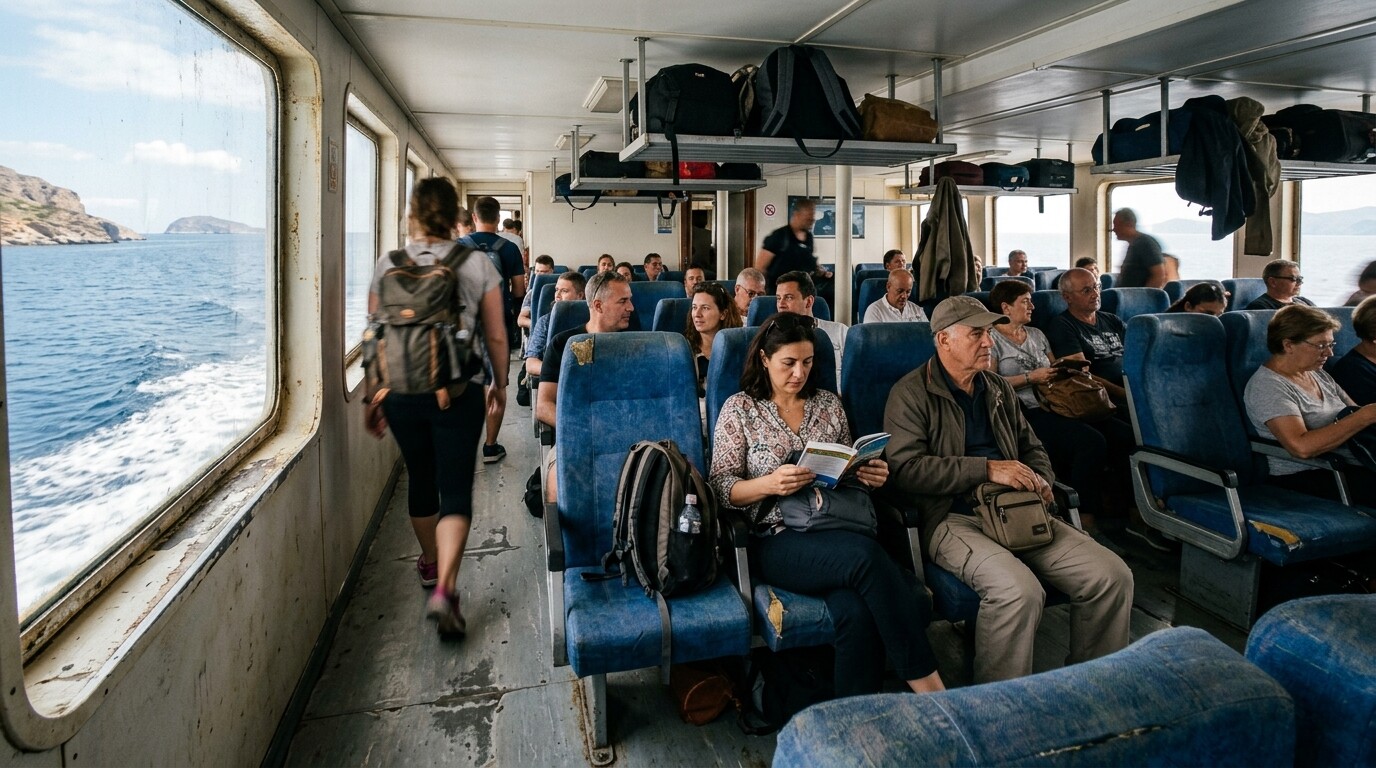
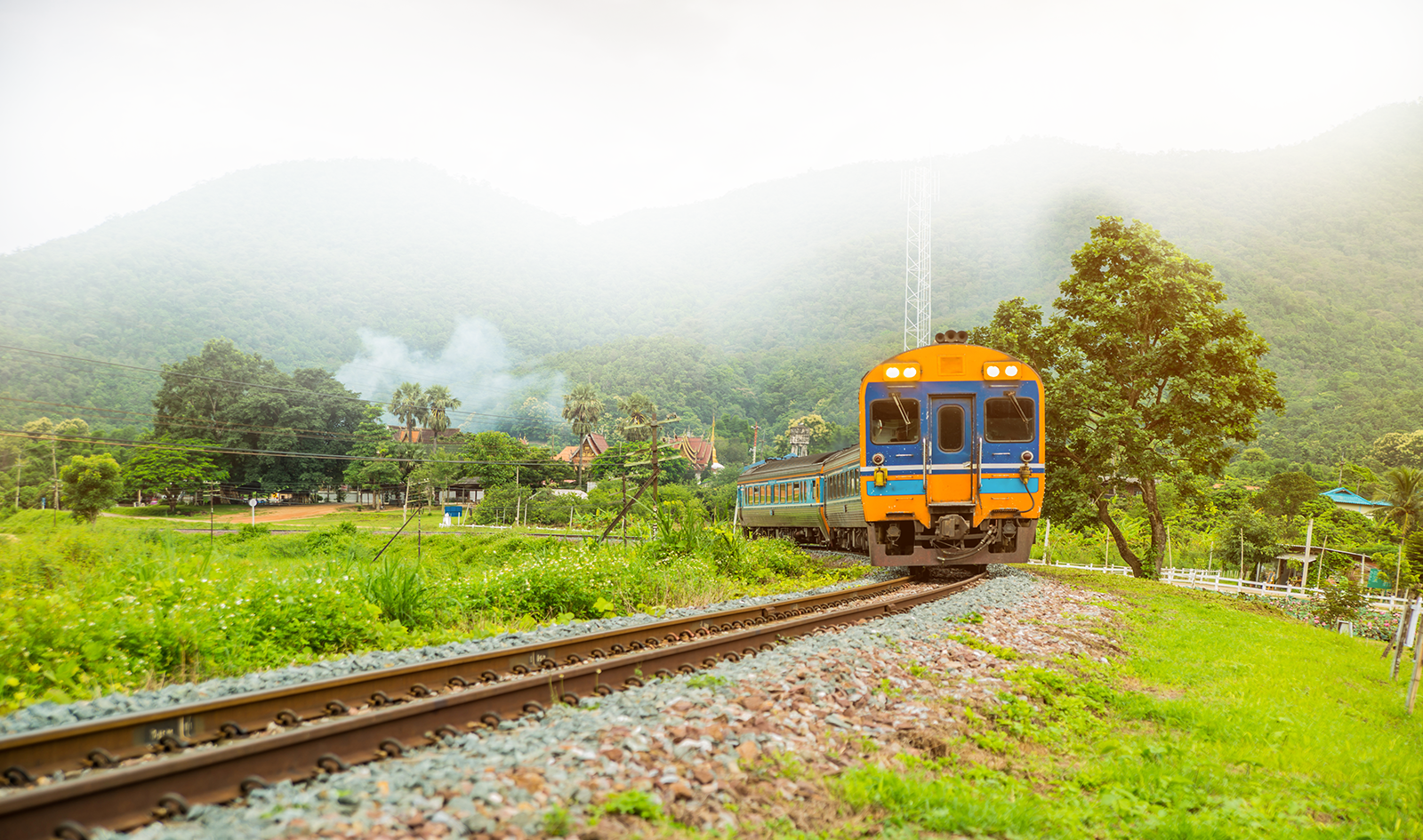
Not every trip requires a bed. When exploring Thai train carriage classes for daytime travel to Hua Hin or heading down south for a ferry connection, Second Class seats are your go-to. The air-conditioned carriages feature plush, reclining seats that put modern airline economy to shame. You get a tray table, a footrest, and surprisingly decent legroom. Fan-cooled Second Class carriages exist too. They are older, dustier, and cheaper, but they let you hang out the window with a camera.
The Special Express railcars (often Diesel Multiple Units or DMUs) represent some of the most comfortable Thai train seating classes and even include a hot meal served at your seat. It usually consists of a mild curry, rice, and a bottle of water. Booking an AC seat on daytime express routes guarantees a sweat-free journey with enough legroom to stretch out fully. Want to lock in a window seat for the scenic coastal stretches? Check availability and learn How to book Thailand train tickets online before the locals buy them out for weekend holidays.
The Third Class Fan Experience: Cheap and Gritty
We need to be honest about Third Class. It is a wildly authentic experience. You sit on lightly padded (or sometimes bare wooden) benches with the windows thrown wide open. Vendors wander the aisles at every stop. They sell grilled chicken skewers, iced coffee in plastic bags, and fresh fruit. It costs practically nothing. A ticket to Ayutthaya from Bangkok sets you back less than a dollar.
But for a 14-hour ride to the border? Absolutely not. The heat, the noise, and the rigid seats will break your spirit. Third Class fan seats provide an incredible cultural immersion for journeys under three hours, but turn into an endurance test on overnight routes. For short hops, buy your ticket directly at the station. For anything longer, upgrade your comfort and secure your spot on thailandtrain.org.
One notable exception where Third Class shines is the famous Death Railway route in Kanchanaburi. Here, the open windows are actually a massive advantage, allowing you to lean out and capture unobstructed photographs of the train curving along the sheer wooden trestle bridges over the River Kwai.
| Class | Seat Type | Air Conditioning | Est. Price | Action |
|---|---|---|---|---|
| Second Class Seat | Reclining, Padded | Yes | $8 - $12 | Book AC Seat |
| Third Class Seat | Fixed Bench | No (Fans only) | $0.50 - $2 | Buy at Station |
Food, Drink, and Amenities Across Thai Train Classes
Your dining experience varies wildly depending on which of the Thai train classes you book. On the newer CNR sleeper trains, the dining car offers microwaved meals and snacks in a brightly lit, air-conditioned environment. Older trains still feature traditional restaurant cars where cooks whip up fresh Pad Krapow and Tom Yum soup over open flames. It is highly recommended to visit the dining car for dinner as the sun sets.
Keep in mind that alcohol is strictly banned on all Thai trains and at all railway stations. Do not bring your own beer onboard, as conductors enforce this rule with hefty fines. For hydration, attendants sell bottled water and soft drinks, but bringing your own snacks is always a smart move.
Bathrooms also differ by class. First Class and newer Second Class carriages feature western-style toilets and even rudimentary showers. Older Second Class and Third Class cars usually have squat toilets that empty directly onto the tracks. Always bring your own toilet paper and hand sanitizer, as supplies inevitably run out by the middle of the night.
7 Pro Tips for Thai Train Travel in 2026
- Lower bunks are king. Across all Thai train sleeper classes, they are significantly wider, have the window view, and don't get blasted directly by the ceiling AC vents. They cost a few dollars more and sell out first. Reserve your lower bunk now.
- Bring a heavy sweater. Thai trains in 2026 still crank the air conditioning to arctic levels. The provided blanket is thin.
- Newer isn't always better for views. When comparing Thai train classes for photography, the modern Chinese-built (CNR) trains have sealed, tinted windows. Older (SSR) carriages let you open windows in the corridors for clear photography. Read our Bangkok to Chiang Mai Sleeper Train: CNR vs SSR (2026) guide for a deeper breakdown.
- Pack your own toilet paper and hand sanitizer. The bathrooms are pristine at departure but frequently run out of supplies by 3 AM.
- Book early for islands. If you are heading to the Gulf islands, grab a combined ticket. Our Bangkok to Koh Samui Train: Joint Ticket Guide [2026] explains how to sync your sleeper with the morning ferry.
- Mind the luggage rules. Your bags go on racks near your bed or at the end of the car. Keep your passport and wallet in your bunk. Check our Thailand Train Luggage Rules: Size Limits & Storage (2026) to see what fits.
- Use the official 90-day window. The State Railway of Thailand releases tickets up to 90 days out for major routes. First Class sells out in hours.
Frequently Asked Questions
What are the best Thai train classes for overnight journeys?
Second Class AC Sleepers are the best value, offering comfortable curtained bunks for approximately $25-$32 on popular routes like Bangkok to Chiang Mai. This class provides a balance of privacy, air conditioning, and affordability compared to First Class cabins.
Can you book Thai train classes online?
Yes, you can book Thai train tickets online via thailandtrain.org up to 90 days in advance of your departure date. Online booking is highly recommended for popular sleeper routes to ensure you secure a lower berth.
What is the difference between upper and lower berths on Thai trains?
Lower berths are wider, cooler, and feature a window, while upper berths are narrower, closer to the AC vents, and lack a view. Lower berths usually cost slightly more but are significantly more comfortable for long journeys.
Is Third Class among Thai train classes worth it?
Third Class is only recommended for short trips under three hours due to hard wooden benches and lack of air conditioning. While extremely cheap (often under $5), it is generally too uncomfortable for overnight or long-distance travel.
What facilities are available in First Thai train classes sleepers?
First Class sleepers provide private, lockable two-berth cabins equipped with individual washbasins, power outlets, and adjustable air conditioning. Passengers in this class also have access to shared shower facilities at the end of the carriage.
Where do most long-distance trains depart from in Bangkok?
Most long-distance trains depart from the Krung Thep Aphiwat Central Terminal, which replaced the old Hua Lamphong station for major northern and southern routes. It is a modern facility with easy connections to the MRT Blue Line.