Thailand Floating Train Tickets: Book Before It Sells Out
Key Takeaway: Scoring Thailand floating train tickets for the seasonal journey across the Pasak Cholasit Dam is a must-do. Running exclusively on weekends from November to January, it costs just 330 THB (~$10) for a round-trip from Bangkok. Because the water level dictates the schedule, tickets sell out almost instantly when released 30 days in advance. For year-round dramatic scenery, the Death Railway offers cliff-hanging views for under $3. Check current schedules and book your Thailand floating train tickets on thailandtrain.org to secure your seat before they disappear.
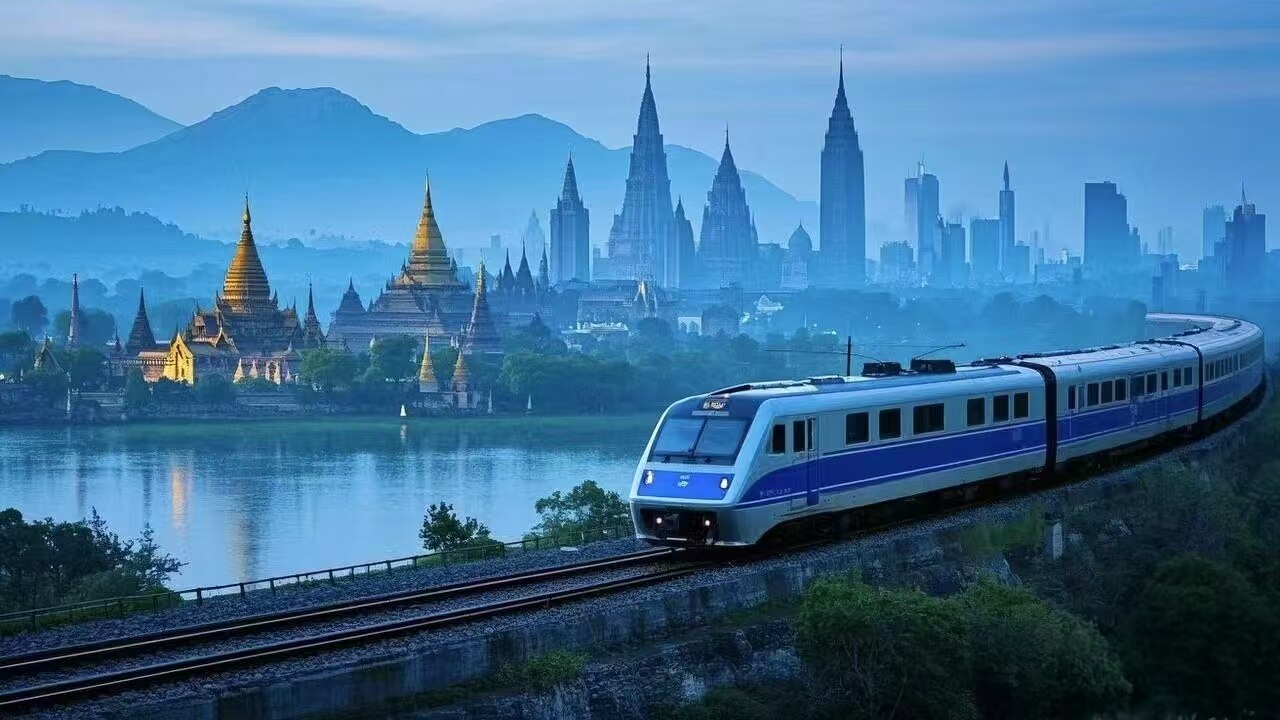
Water splashes lightly against the steel wheels of the train. You look out the open window, and there is no land in sight—just a vast expanse of blue reservoir stretching to the horizon. This is the Rot Fai Loi Nam. It looks exactly like the sea train from Studio Ghibli's Spirited Away, except you are sitting in a third-class carriage in central Thailand with a cold iced tea in hand. The "Floating Train" & Thailand's Most Scenic Rail Routes offer some of the most striking transit experiences in Southeast Asia, and demand for Thailand floating train tickets peaks during the cool season. And honestly, they beat domestic flights every single time.
Quick Overview: Thailand's Best Train Journeys at a Glance
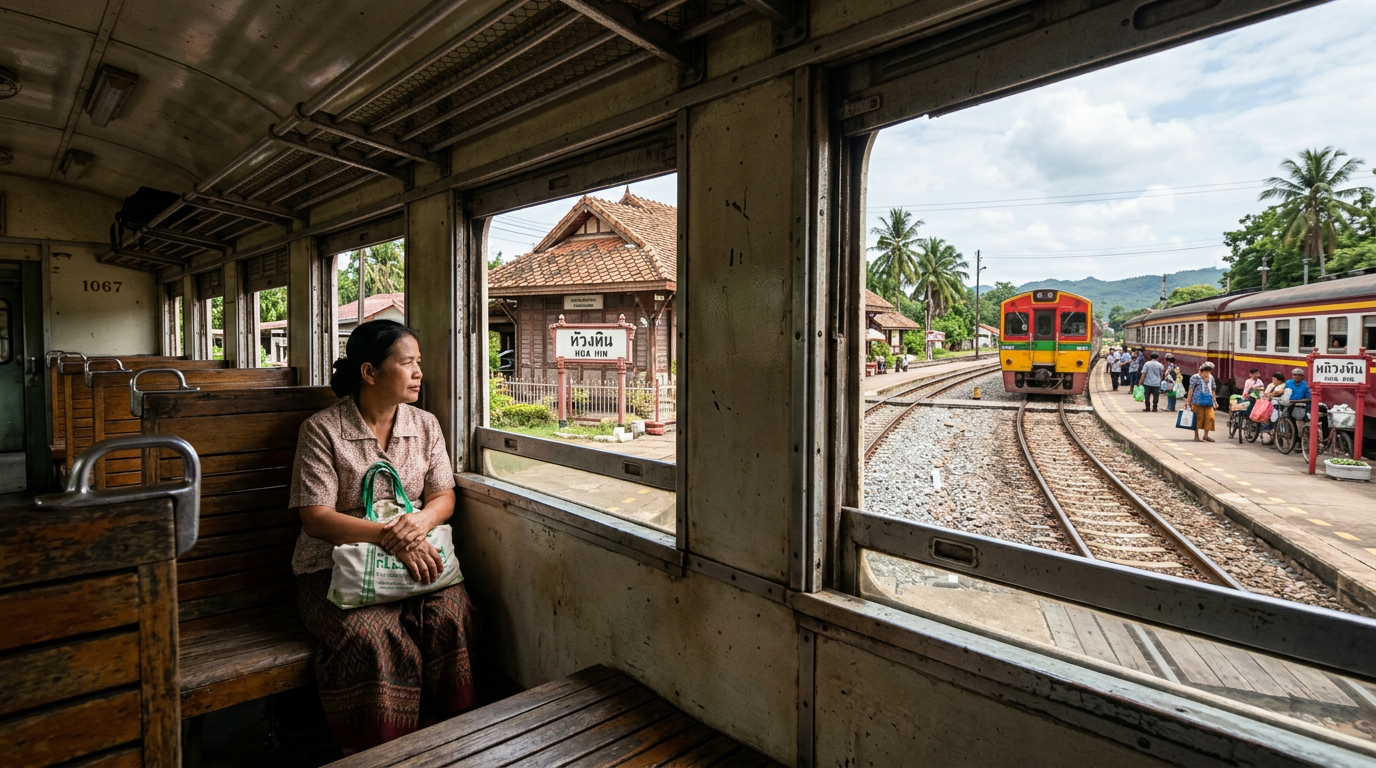
Before you start mapping out your itinerary, you need to know what you are actually dealing with. Thailand's rail network is vast, but the truly scenic routes require a bit of strategic planning.
- The Floating Train (Pasak Cholasit): Runs November to January only. Thailand floating train tickets for this 6-hour round trip from Bangkok cost 330 THB for fan class and 590 THB for air-conditioning.
- The Death Railway (Kanchanaburi): Operates year-round. A 4.5-hour journey from Bangkok. Costs about 100 THB. Expect sheer cliffs and heavy history.
- The Northern Line (Chiang Mai): Operates year-round. An overnight 13-hour journey. Costs 800-1,700 THB depending on your sleeper class. You wake up climbing through misty jungles.
- The Southern Coast Line: Operates year-round. The gateway to the islands. Costs 700-1,500 THB.
Riding the Rot Fai Loi Nam: How to Get Thailand Floating Train Tickets
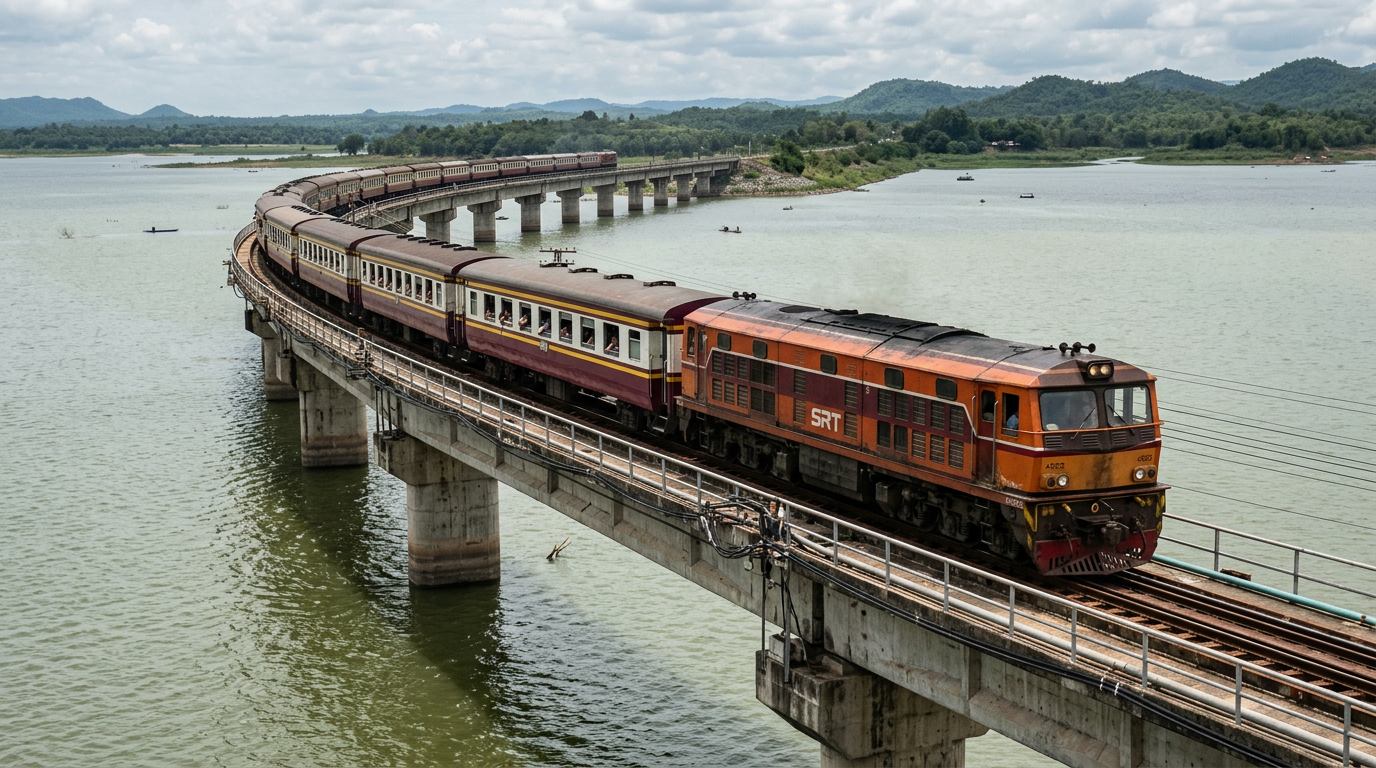
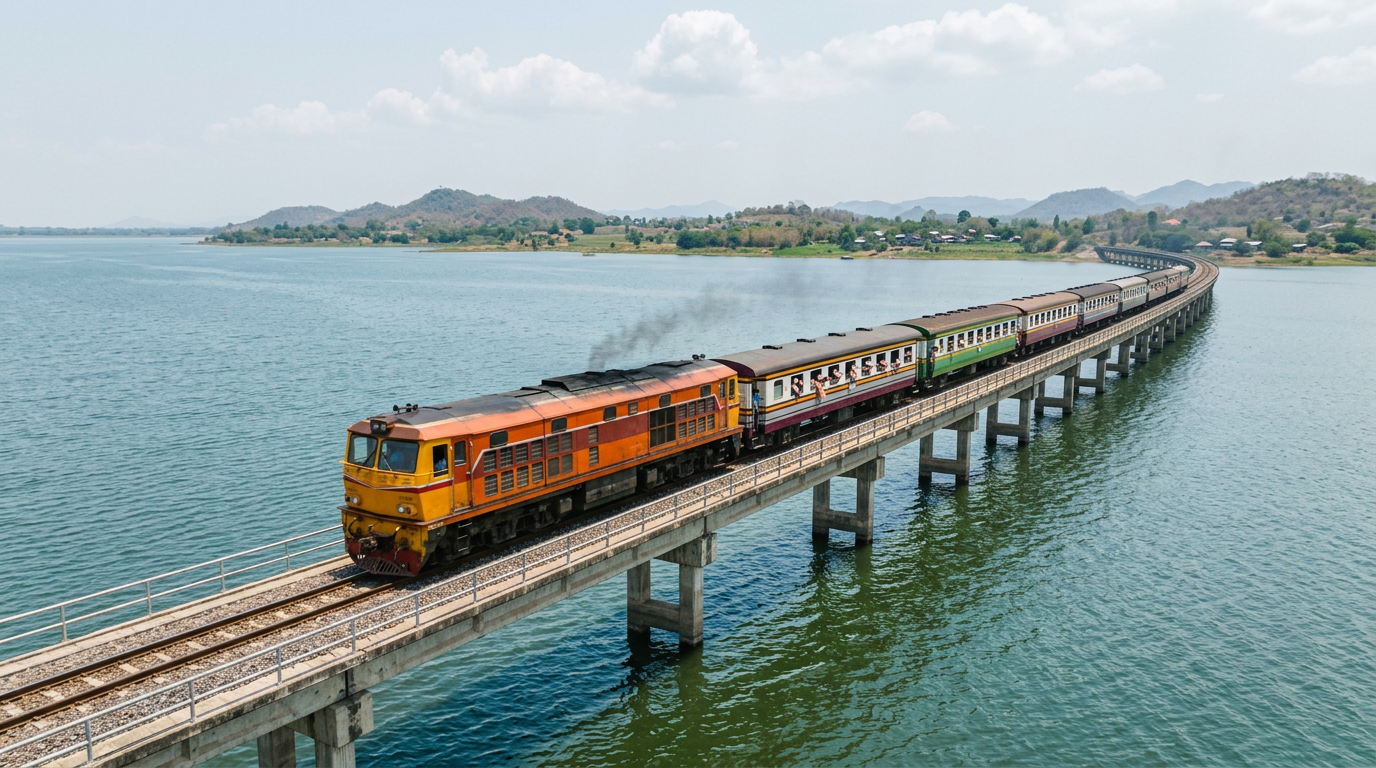
Most trains take you from point A to point B. This one takes you to the middle of a dam and simply stops. The State Railway of Thailand (SRT) runs this special excursion train departing from Bangkok's main hub. The Pasak Cholasit Floating Train operates exclusively on weekends between November and January, covering a 6-kilometer stretch of elevated track where water levels reach right up to the railway ties.
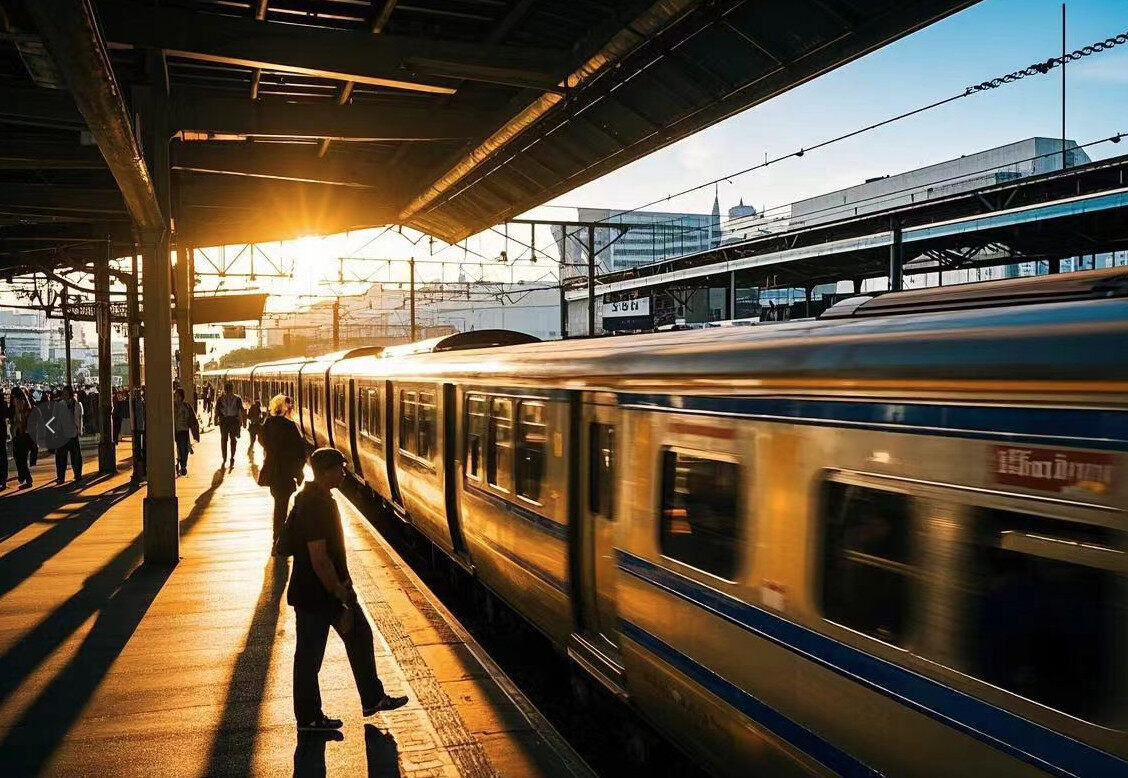
Here is how the day actually plays out. You board early in the morning. For the 2026 season, departures typically leave around 6:00 AM, so you should book your Thailand floating train tickets at thailandtrain.org as soon as the booking window opens. Make sure you read up on the Krung Thep Aphiwat Terminal Guide: Skip Queues so you do not miss the early call. After a few hours of rattling through the countryside and passing the Kaeng Khoi junction, the train pulls onto the Pasak Cholasit Dam in Lopburi province. The train stops directly on the bridge for 20 minutes. Passengers spill out onto the tracks to take photos surrounded entirely by water.
Getting a seat is notoriously difficult, as locals treat this as a highly anticipated winter tradition. Securing Thailand floating train tickets means competing with thousands of domestic tourists. The Tourism Authority of Thailand heavily promotes it, meaning tickets vanish within hours of going on sale. If you want to ride it, you cannot just show up at the station. Check Floating Train availability and book your Thailand floating train tickets on thailandtrain.org exactly 30 days before your planned travel date.
The Death Railway: History Meets Vertigo in Kanchanaburi
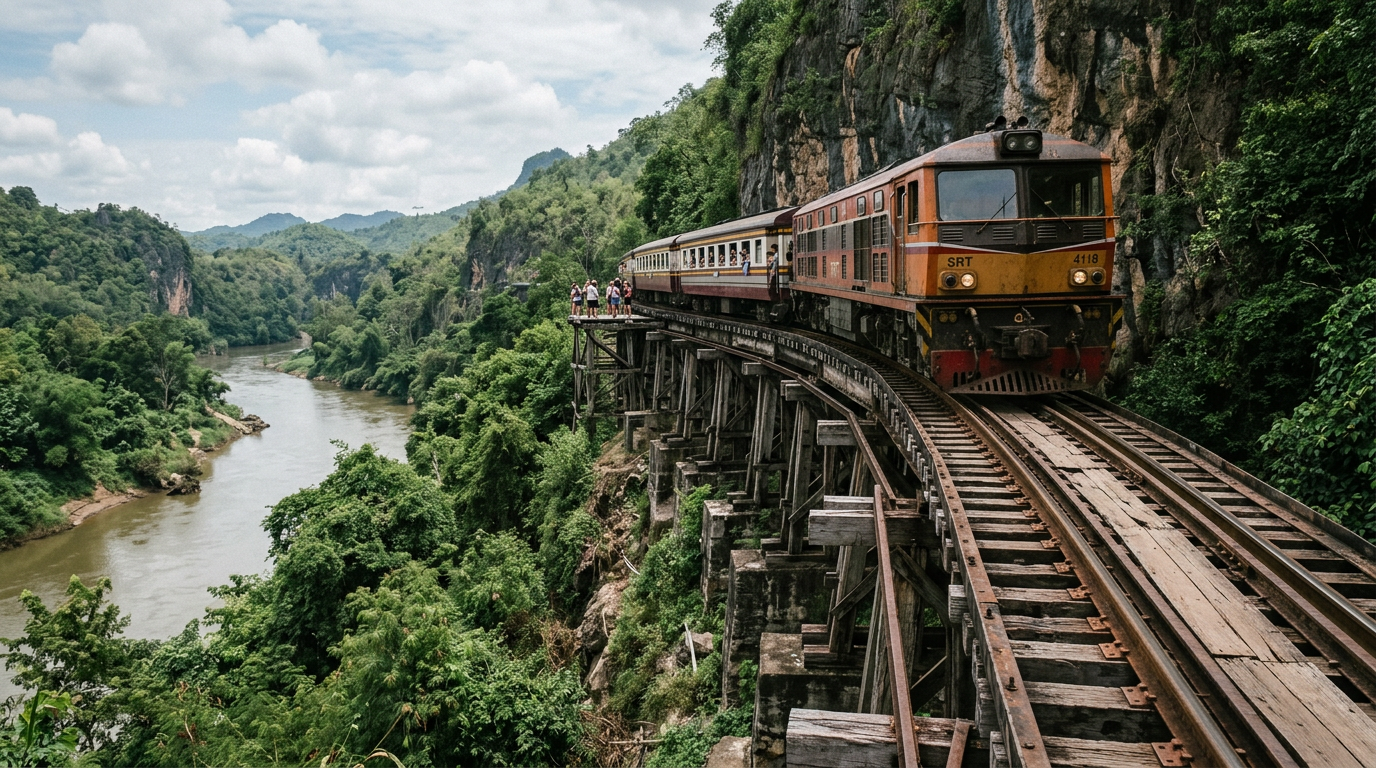
If the Floating Train is whimsical, the Death Railway is sobering and dramatic. Built during WWII by POWs and Asian laborers under Imperial Japanese occupation, this line stretches from Bangkok toward the Myanmar border. You can ride the ordinary 3rd class train for a mere 100 THB.
The scenery shifts drastically once you pass Kanchanaburi city. The most dramatic section of the Death Railway occurs at the Wampo Viaduct, where the train crawls at 10 km/h over creaking wooden trestles pinned between a sheer cliff and the River Kwai. Look out the right side, and you can touch the rock face. Look out the left, and there is a straight drop into the muddy river below. It is genuinely thrilling.
To understand the geography of this route, I highly recommend checking out the Map of Thailand’s Kanchanaburi Train Line. Before you set out, it helps to compare the logistics of securing Thailand floating train tickets versus the daily Kanchanaburi services.
| Feature | Floating Train (Pasak Cholasit) | Death Railway (Nam Tok) | Book Online |
|---|---|---|---|
| Operating Season | Nov–Jan (Weekends Only) | Year-round (Daily) | Book Train |
| Base Price (2026) | 330 THB (Fan) / 590 THB (AC) | 100 THB (Tourist flat rate) | Book Train |
| Travel Time | 6 hours (Round trip excursion) | 4.5 hours (One way) | Book Train |
| Best Photo Spot | Stopped on the viaduct | Wampo Viaduct curve | Book Train |
The Northern Line: Jungle Climbs to Chiang Mai
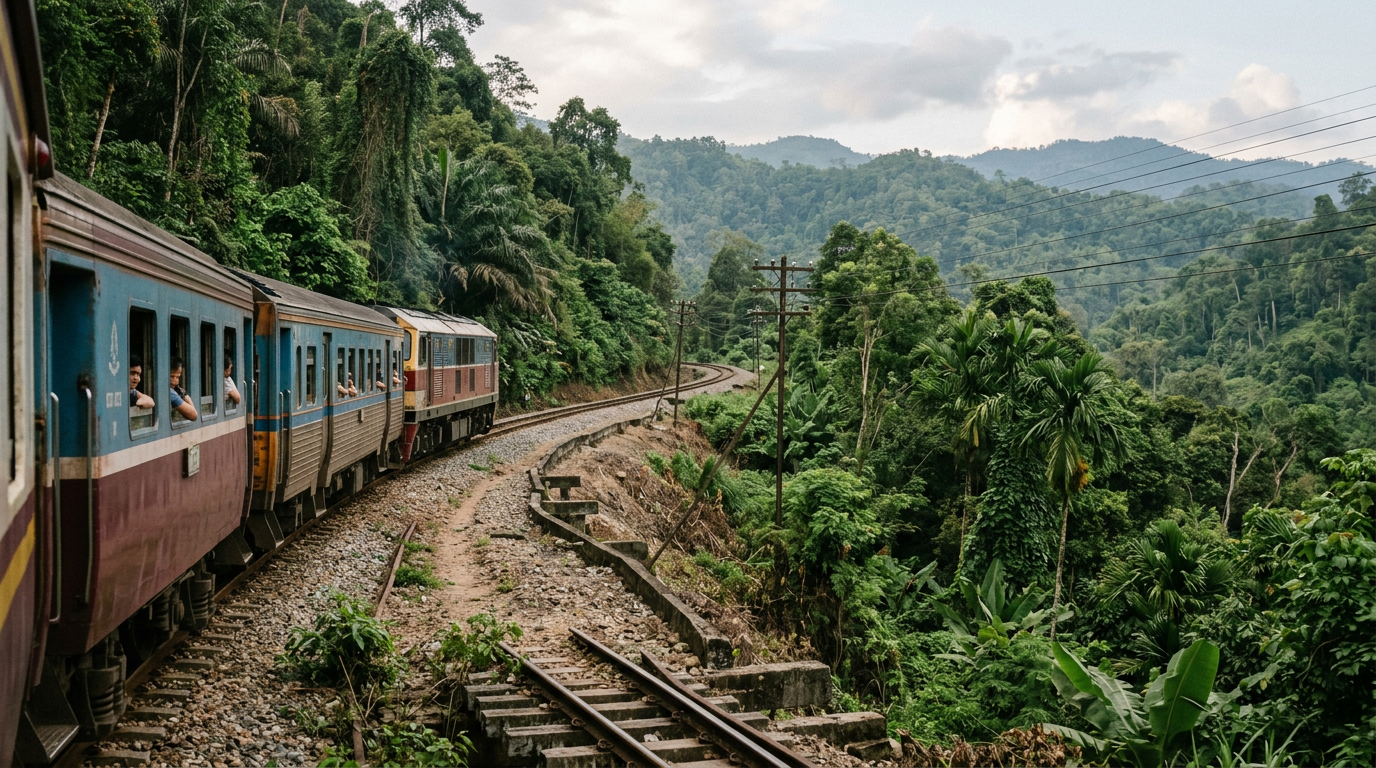
Night trains usually rob you of the scenery. The journey to Chiang Mai is the rare exception. If you book the right train, you sleep through the flat central plains and wake up just as the tracks begin to twist into the northern mountains.
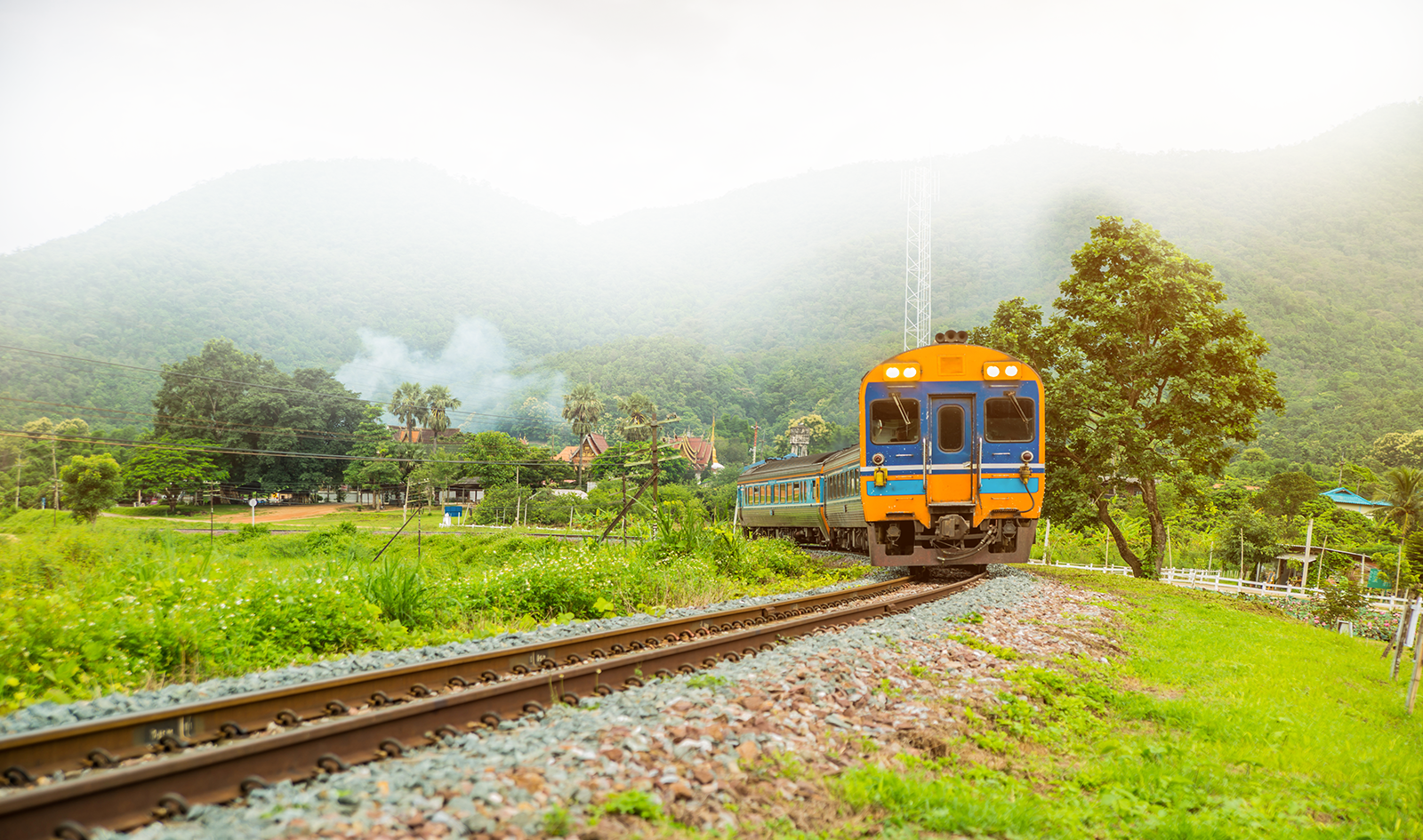
Train #9 on the Northern Line climbs through the dense Doi Khun Tan National Park at dawn, offering the best mountain views of any commercial railway in Southeast Asia. It passes through the Khun Tan Tunnel—Thailand's longest railway tunnel—before descending into the Chiang Mai valley. The contrast between the freezing air-conditioned cabin and the humid jungle mist outside the window is something you will not forget.
You have choices for your bed. The newer Chinese-built CNR trains are spotless, but the older Daewoo trains have windows that actually open for photography. If you are debating comfort levels, read the 1st vs 2nd Class Sleeper Thailand: Is $17 Worth It? guide. Spoiler: the second-class lower berth is the best value on the train.
| Route | Best Train # | Scenery Highlight | Average Price (2nd Class) | Reserve Seat |
|---|---|---|---|---|
| Bangkok to Chiang Mai | Train #9 | Khun Tan Mountain Pass at dawn | 1,000 THB | Check Prices |
| Bangkok to Surat Thani | Train #85 | Coastal plains and limestone karsts | 850 THB | Check Prices |
| Bangkok to Chumphon | Train #39 (Day) | Gulf of Thailand coastline | 600 THB | Check Prices |
6 Pro Tips for Booking Thailand's Scenic Trains in 2026
Do not let bad planning ruin a great train ride. Over the years, I have made every mistake possible on the Thai rail network. Here is how to travel like a veteran.
- Book exactly 30 or 90 days out. SRT booking windows fluctuate. For 2026, major sleeper routes open 90 days in advance, while excursions like the Floating Train open 30 days ahead. Use thailandtrain.org to set up your bookings early.
- Sit on the left for the Death Railway. When leaving Bangkok, the left side of the train faces the river at the Wampo Viaduct. The right side just stares at a rock wall.
- Pack a heavy sweater. Thai train air-conditioning is notoriously aggressive. It might be 35°C outside, but it will be 18°C in your sleeper car.
- Know your bag limits. Unlike airlines, trains are generous, but bulky hard-shell suitcases will not fit under the lower berths. Review the Thailand Train Luggage Rules: Size Limits & Storage (2026) before packing.
- Take the lower berth. It costs about 100 THB more than the upper berth on sleeper trains. It is wider, has a real window, and does not sway as much.
- Pre-book island connections. If you are taking the scenic route south, book a joint ticket. Navigating the Surat Thani train station at 6:00 AM looking for a bus is chaotic. Read the Bangkok to Koh Samui Train: Joint Ticket Guide [2026] to streamline the trip.
Ready to Book Your Journey?
Whether you are chasing the monsoon waters across the Pasak Cholasit Dam or climbing the northern mountains to Chiang Mai, rail travel here is an unforgettable experience. Because the season is so short, Thailand floating train tickets sell out in a flash. Be sure to book your Thailand floating train tickets on thailandtrain.org to guarantee your spot before they are gone.
Frequently Asked Questions
How much do Thailand floating train tickets cost in 2026?
Thailand floating train tickets cost 330 THB (~$10) for fan-cooled third-class and 590 THB for air-conditioned carriages in 2026. These round-trip fares include the scenic stop at the center of the Pasak Cholasit Dam. You can check the latest pricing and availability on thailandtrain.org before tickets sell out.
How do I book Thailand floating train tickets for the Pasak Cholasit route?
You can book Thailand floating train tickets online through the official SRT system or at major stations like Krung Thep Aphiwat exactly 30 days in advance. Due to extreme popularity, seats usually sell out within minutes of release. Visit thailandtrain.org for a step-by-step booking guide to help you secure your seat.
When does the Thailand floating train run?
The Thailand floating train runs exclusively on Saturdays and Sundays from November to January when water levels at the Pasak Cholasit Dam are at their peak. The journey typically departs Bangkok around 6:00 AM and returns in the late evening. Always verify the exact seasonal dates on thailandtrain.org as they change based on annual rainfall.
Which is better: the Floating Train or the Death Railway?
The Floating Train is a unique seasonal excursion best for photography, while the Death Railway offers year-round historical significance and cliffside views for under $3. For travelers seeking consistent scenery and history, the Death Railway is more accessible, but the Floating Train is a rare 'bucket list' experience only available three months a year.
What are the most scenic train routes in Thailand?
Thailand's most scenic rail routes include the Pasak Cholasit 'Floating Train,' the historic Death Railway in Kanchanaburi, and the Northern Line through the mountains to Chiang Mai. Each route offers distinct landscapes, from vast reservoirs to lush jungle peaks. Detailed itineraries and booking tips for all these routes are available on thailandtrain.org.