Bangkok to Chiang Mai Train: 2026 Sleeper Guide [#9 Tips]
![Bangkok to Chiang Mai Train: 2026 Sleeper Guide [#9 Tips]](https://static.thailandtrain.org/images/articles/cover-1774105870576.png)
Key Takeaway: The overnight sleeper train from Bangkok to Chiang Mai takes roughly 13 hours and costs about $32 (1,000 THB) for a 2nd-class lower berth. Train #9 is the newest, cleanest, and most comfortable option on the route. These beds sell out weeks in advance, so book train tickets online early to secure the highly coveted lower bunk.
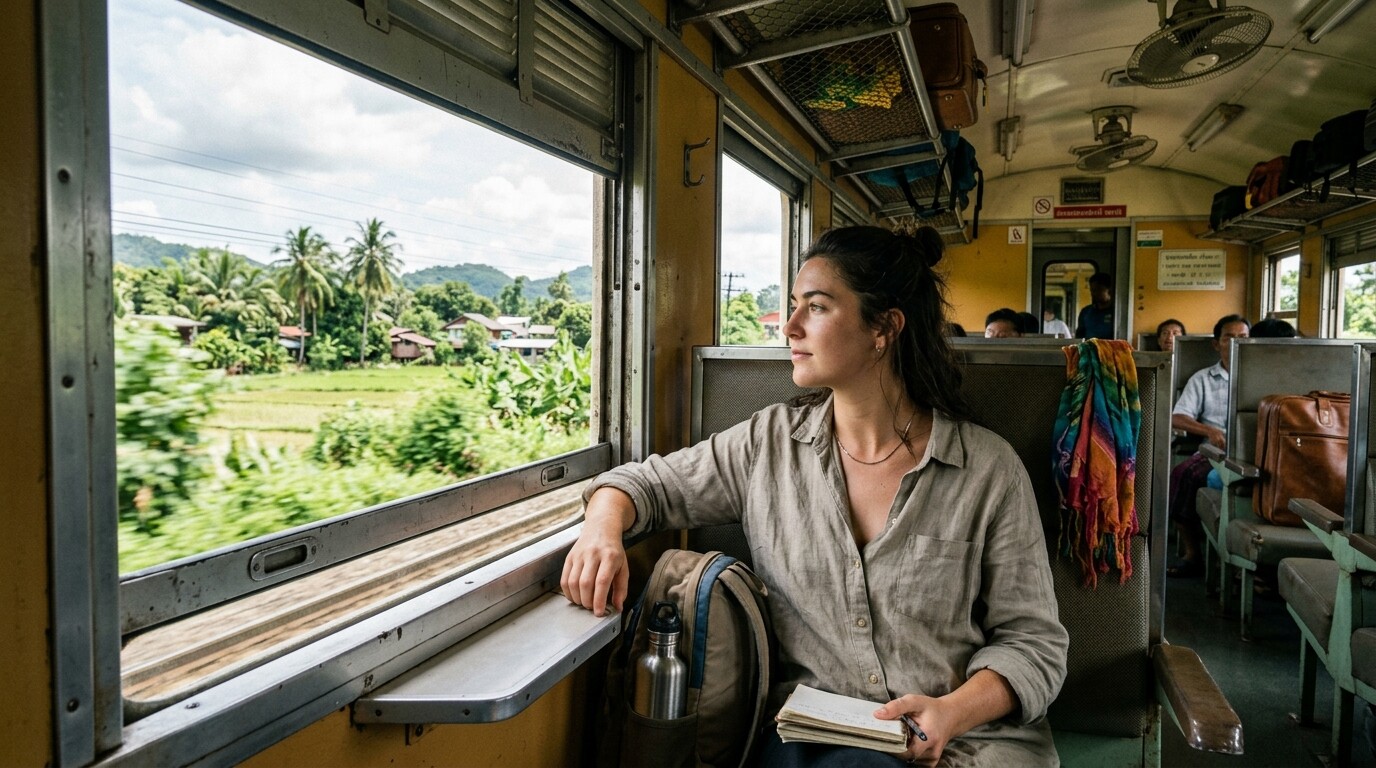
Waking up to the sight of mist rolling off the Doi Khun Tan mountains is a travel experience you will never forget. You pull back the heavy curtain of your sleeper berth. Outside, northern Thailand rushes by in flashes of dense green jungle and sleepy provincial outposts. If you are planning to book a Bangkok to Chiang Mai train, you are in for arguably the best rail journey in Southeast Asia. But it requires a bit of strategy.
You cannot just show up at the station on a Tuesday and expect to score a pristine sleeper bed. The golden age of walk-up ticketing is over, especially during the high season. Knowing which train to pick, which bed to reserve, and when to buy your ticket makes the difference between arriving refreshed or stepping off the carriage with a stiff neck. Here is exactly how to do it right for your 2026 trip.
Quick Overview: Bangkok to Chiang Mai Train
- Departure Station: Krung Thep Aphiwat Central Terminal (Bangkok).
- Arrival Station: Chiang Mai Railway Station.
- Distance: 751 kilometers (466 miles).
- Duration: 10.5 to 14 hours, depending on the service.
- Best Train: Special Express Train #9 (New CNR sleeper carriages).
- Average Cost: $25 to $55 USD depending on class and berth type.
Getting to the platform in Bangkok has changed recently. All long-distance services moved from the old Hua Lamphong station to a massive new hub. Before your trip, you will want to read up on our Krung Thep Aphiwat Central Terminal: 5 Pro Navigation Tips so you do not get lost in the large departure halls.
Ready to travel? Check Bangkok to Chiang Mai train availability and book your tickets today.
Choosing Your Train: 2026 Schedules and Best Options
Not all trains on this route are created equal. The State Railway of Thailand (SRT) operates several daily departures, mixing brand-new Chinese-built carriages with older, rust-colored rolling stock. You want the new ones if comfort is your priority.
For the 2026 schedule, there are four primary trains you should care about. Train #7 is the daytime sprinter. It is entirely second-class seating and relies on aggressive air conditioning to combat the midday heat. It is a great option if you want to stare out the window for 11 hours. But most travelers prefer to sleep through the journey to save on a night of hotel accommodation.
Train #9 is the undisputed king of this route, utilizing the newest Chinese-built CNR carriages with bright interiors, spotless toilets, and individual power outlets. It leaves Bangkok in the early evening and gets you into Chiang Mai just in time for a morning coffee. Train #13 uses older Korean-built Daewoo carriages. They have a certain retro charm with their pink and purple interiors, but the ride is noticeably bumpier and the facilities are older.
Finally, Train #51 is the late-night departure. It is a mixed train with older sleeper cars and seated carriages. It is generally considered the backup option if the Special Express trains are fully booked.
| Train No. | Departs (BKK) | Arrives (CNX) | Train Type | Best For |
|---|---|---|---|---|
| Train #7 | 09:05 | 19:30 | Daytime Express (Seats) | Scenery lovers |
| Train #9 | 18:40 | 07:15 | Special Express (New Sleeper) | Comfort & sleep |
| Train #13 | 20:05 | 08:40 | Special Express (Old Sleeper) | Backup option |
| Train #51 | 22:30 | 12:10 | Express (Mixed Sleeper/Seats) | Late departures |
Because Train #9 is so popular, it is the first to disappear from the reservation system. If your travel dates are locked in, check latest prices on thailandtrain.org to grab your spot. You can also dive deeper into the specifics of this exact service in our Bangkok to Chiang Mai Sleeper Train: 2026 Schedule & Train 9 guide.
Ticket Prices: First Class vs. Second Class
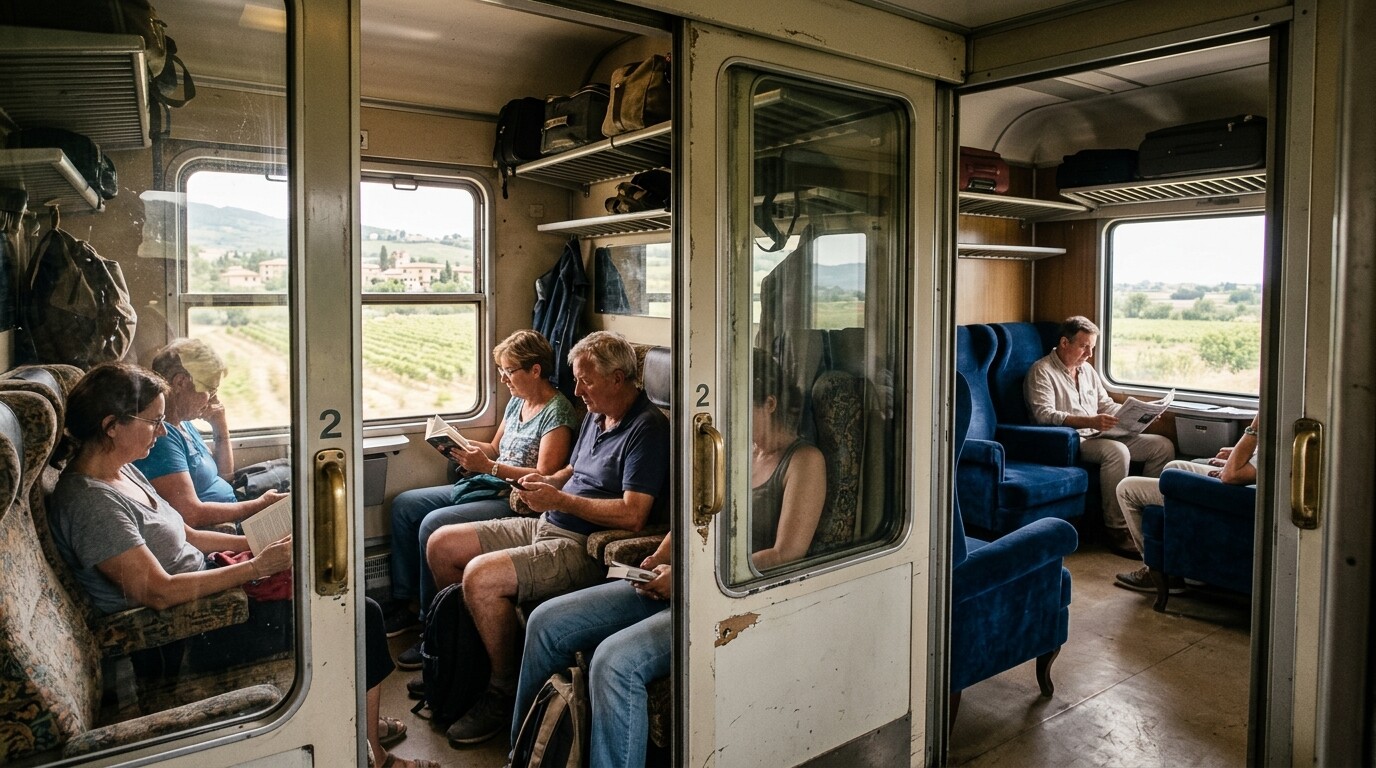
The price gap between first and second class is significant, but the comfort gap is not as wide as you might think. First class gets you a private, lockable cabin with two beds, a dedicated washbasin, and a shared shower at the end of the hall. If you are traveling solo in first class and only buy one bed, you will share the room with a stranger of the same gender.
Second class is an open-plan carriage. The beds run parallel to the windows. At night, the attendant comes through, folds down the seats, and makes up the beds with fresh, white linens and a privacy curtain. It feels like a cozy little pod.
While a private first-class cabin offers supreme privacy, the second-class lower berth remains the best value in Thai rail travel, giving you a wider bed and a massive window for half the price. The upper berths in second class are cheaper, but they lack a window and are physically narrower. They also sit closer to the fluorescent lights, which stay on all night for safety reasons.
| Class & Berth | Price (THB) | Price (USD) | Action |
|---|---|---|---|
| 1st Class (Lower) | 1,650 THB | ~$48 | Book Ticket |
| 1st Class (Upper) | 1,450 THB | ~$42 | Book Ticket |
| 2nd Class (Lower) | 1,040 THB | ~$30 | Book Ticket |
| 2nd Class (Upper) | 940 THB | ~$27 | Book Ticket |
If you are torn between the two, read our detailed breakdown: 1st vs 2nd Class Sleeper Thailand: Is $17 Worth It?. Honestly, unless you are traveling as a couple and want the privacy of a shared room, the second-class lower bed is where you want to be.
The Scenic Views: What You Will Actually See

Taking a night train sounds counterintuitive if you want to see the landscape. But the timetable works heavily in your favor. If you take Train #9, darkness falls shortly after you leave the concrete sprawl of Bangkok. You sleep through the flat, unremarkable central plains of Thailand.
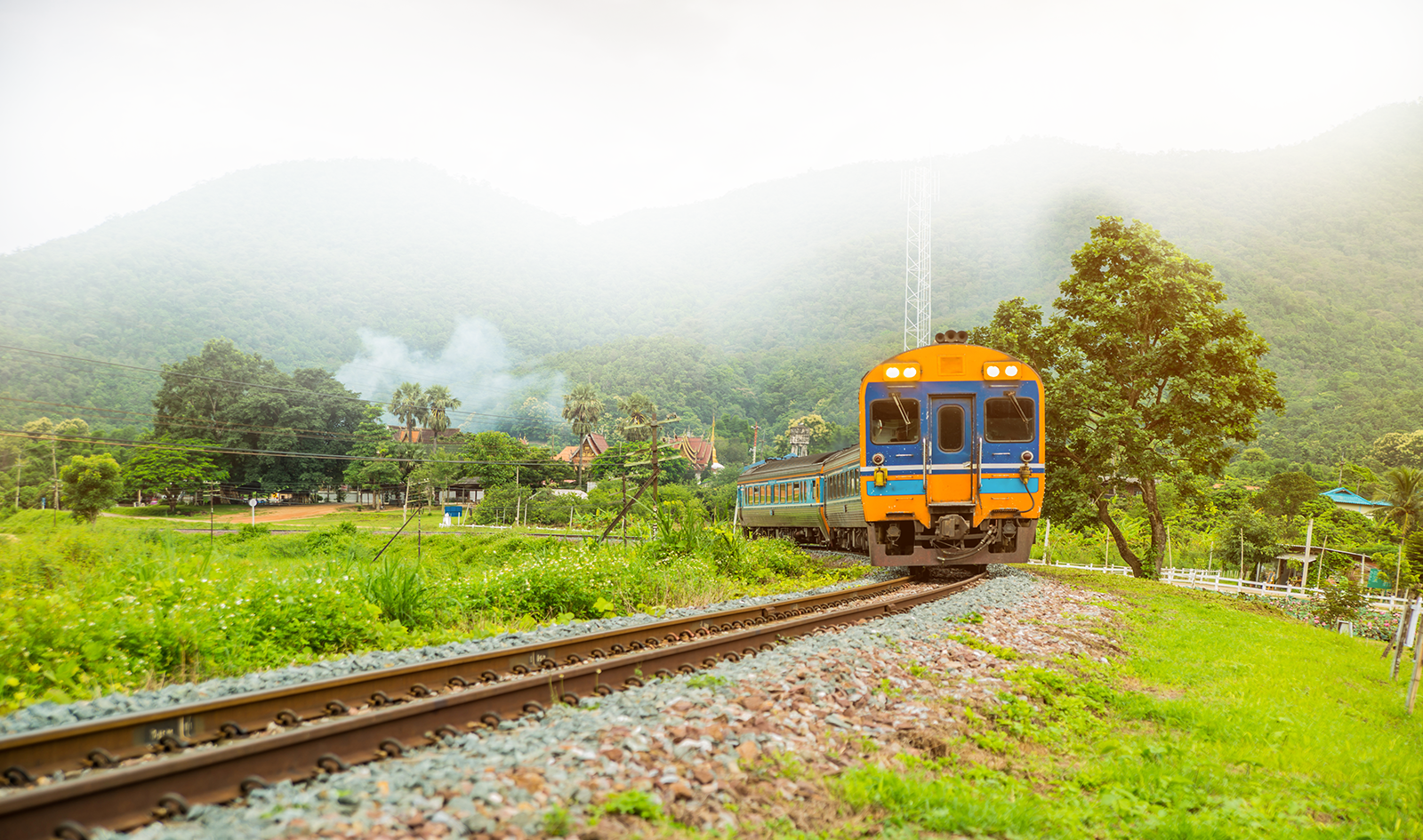
Then morning breaks. The final three hours of the journey are spectacular. As the train grinds up the steep gradients toward Chiang Mai, you are treated to sweeping views of the northern highlands, thick teak forests, and isolated mountain villages. You will pass through historic stations like Lampang, where time seems to have stood still.
You will also pass through the Doi Khun Tan tunnel, the longest railway tunnel in Thailand. According to the Thai National Parks registry, the station sitting just outside this tunnel is the highest elevation railway station in the country at 578 meters above sea level. The air out the window suddenly feels crisp. You can track this exact geographical shift by looking at our Map of Thailand’s Northern Train Line while you ride.
6 Pro Tips for the Bangkok to Chiang Mai Train Journey
Years of riding these rails have taught me a few hard lessons. Keep these in mind before you pack your bags for the Bangkok to Chiang Mai train.
- Always book the lower berth. I cannot stress this enough. The lower bunk is wider, has a real window, and does not require climbing a tiny metal ladder in the middle of the night. It costs a few dollars more. Pay it. Secure your lower berth here.
- Prepare for arctic temperatures. The air conditioning on Thai trains is notoriously fierce. The SRT provides a freshly laundered blanket, but it is thin. Wear long pants, socks, and bring a fleece or a thick hoodie.
- Bring your own breakfast. The restaurant cars are back in operation for 2026, but the food is mostly microwaved convenience meals. Buy some fresh fruit, pastries, and good coffee at the terminal before you board.
- Mind your bags. There is plenty of space for backpacks and medium suitcases under the lower bunks. But massive hard-shell check-in bags can be a nightmare to stow. Review the Thailand Train Luggage Rules: Size Limits & Storage (2026) to ensure your gear fits.
- Download offline entertainment. There is no official Wi-Fi on the trains, and your cellular signal will drop out frequently as you pass through the mountains in the north. Download your movies and podcasts beforehand.
- Use the physical ticket or a clear PDF. If you book online, you can show the PDF on your phone to the conductor. Make sure your screen brightness is up and the QR code is clearly visible.
Frequently Asked Questions
How much is the train from Bangkok to Chiang Mai?
A train ticket from Bangkok to Chiang Mai costs between $25 and $55 USD (850 to 1,900 THB) depending on the class and berth selected. Prices for the popular 2nd-class lower berth on the #9 Special Express typically hover around $32.
Which train is the best from Bangkok to Chiang Mai?
Special Express Train #9 is the best option because it uses the newest CNR Chinese-built carriages featuring modern amenities, individual power outlets, and cleaner facilities. This overnight sleeper departs Krung Thep Aphiwat in the evening and arrives in Chiang Mai the following morning.
How long is the train ride from Bangkok to Chiang Mai?
The train journey from Bangkok to Chiang Mai takes between 10.5 and 14 hours depending on the specific service and number of stops. The daytime sprinter (Train #7) is usually the fastest, while overnight sleepers take slightly longer to ensure a comfortable arrival time.
Where does the train to Chiang Mai depart from in Bangkok?
Trains to Chiang Mai now depart from Krung Thep Aphiwat Central Terminal, which replaced the old Hua Lamphong station for all long-distance services. Travelers should arrive at the terminal at least 30-60 minutes before departure to navigate the large station.
Can I buy Bangkok to Chiang Mai train tickets online?
Yes, you can book Bangkok to Chiang Mai train tickets online through the official SRT D-Ticket system or authorized booking platforms like thailandtrain.org. It is highly recommended to book at least 30 to 90 days in advance, as sleeper berths often sell out quickly during peak season.
Is there a food service on the Bangkok to Chiang Mai train?
Most long-distance trains to Chiang Mai feature a restaurant car or offer seat-side meal service provided by onboard staff. While options include basic Thai dishes and beverages, many travelers prefer to bring their own snacks and water for the 13-hour trip.