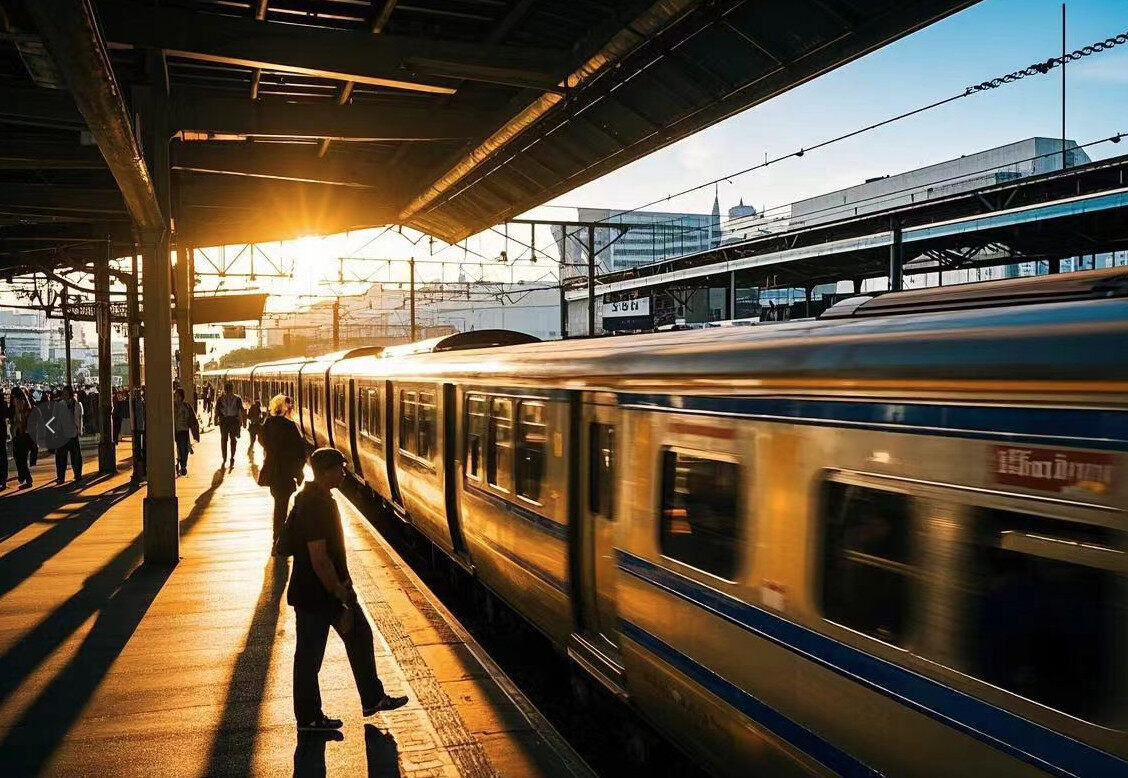
Thai Train Classes Explained: 1st Class vs 2nd Class Sleeper
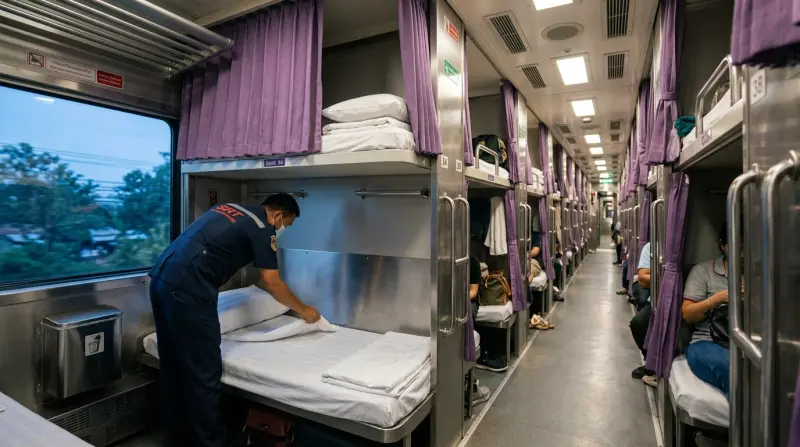
Key takeaway: Choose a sleeper if you want a bed overnight, or a seat for a daytime journey. First class normally offers a two-berth compartment; second-class sleepers use curtained berths in a shared carriage. Available classes, facilities and fares depend on the train and date. Check the options for your journey before booking.
The class you choose affects how you spend the journey: seated or lying down, in a shared carriage or a compartment, with air conditioning or fans. Compare those practical differences with your budget and access needs before selecting a ticket.
Whether you are a backpacker stretching a budget or a comfort-seeking traveler wanting a rolling hotel room, navigating the different Thailand train classes is essential. The State Railway of Thailand (SRT) operates a diverse fleet. You will find everything from brand-new, Chinese-built sleeper cars with airplane-style toilets to decades-old carriages cooled only by the tropical breeze. Let's break down exactly what to expect, what to avoid, and how to secure the best seat for your itinerary.
Understanding Thai Train Classes: The Railway System at a Glance
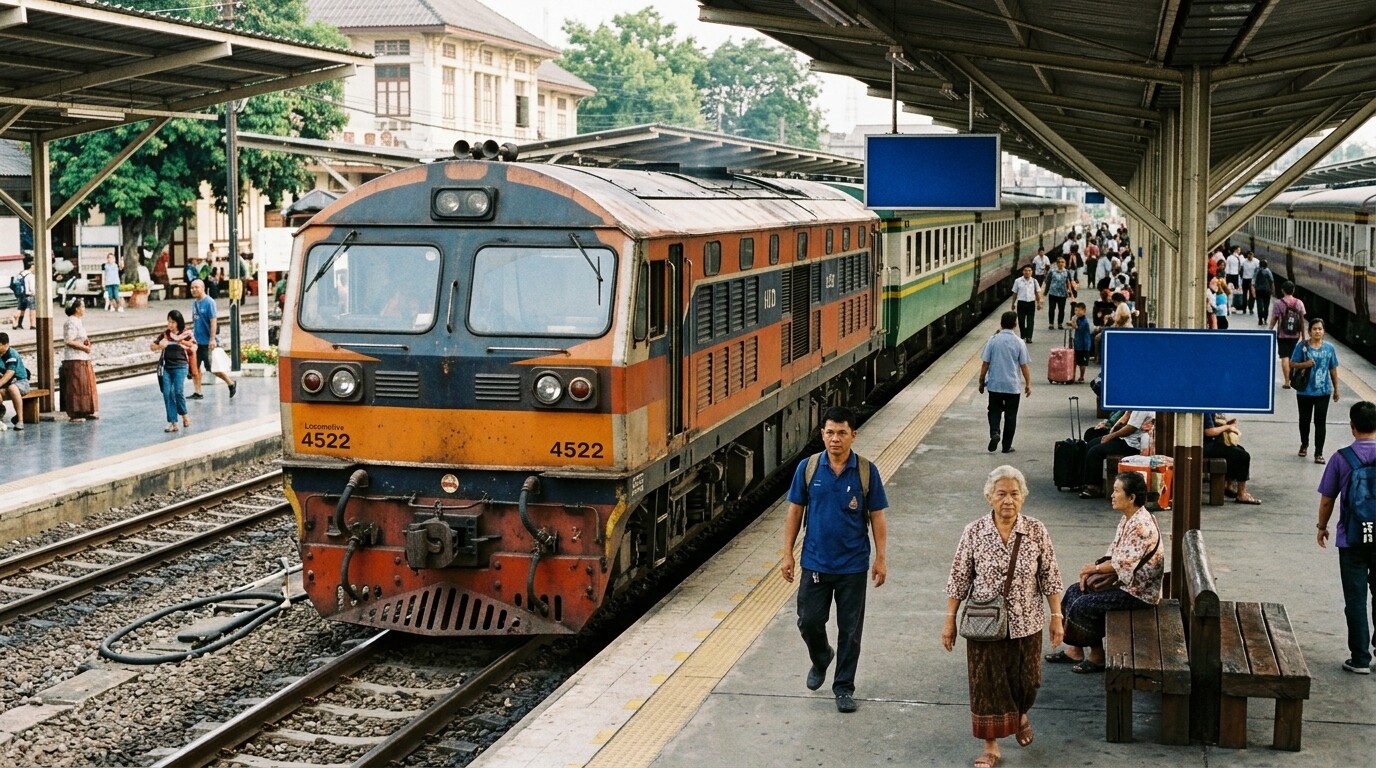
SRT services use different carriage types, and not every train offers every class below. Check the departure station on your ticket; the Krung Thep Aphiwat terminal guide applies to services using that terminal.
- First Class Sleeper: typically a two-berth air-conditioned compartment. Check whether your booking covers one berth or exclusive use of the compartment.
- Second Class Sleeper (AC): upper and lower berths with curtains in a shared air-conditioned carriage.
- Second Class Sleeper (Fan): available on some services. Check the actual train’s class list before planning around this option.
- Second Class Seat (AC/Fan): seated accommodation, with cooling and seat design depending on the carriage.
- Third Class Seat: basic shared seating, commonly fan-cooled. Compare the journey duration and your comfort needs.
First Class vs. Second Class Sleepers: The Overnight Heavyweights
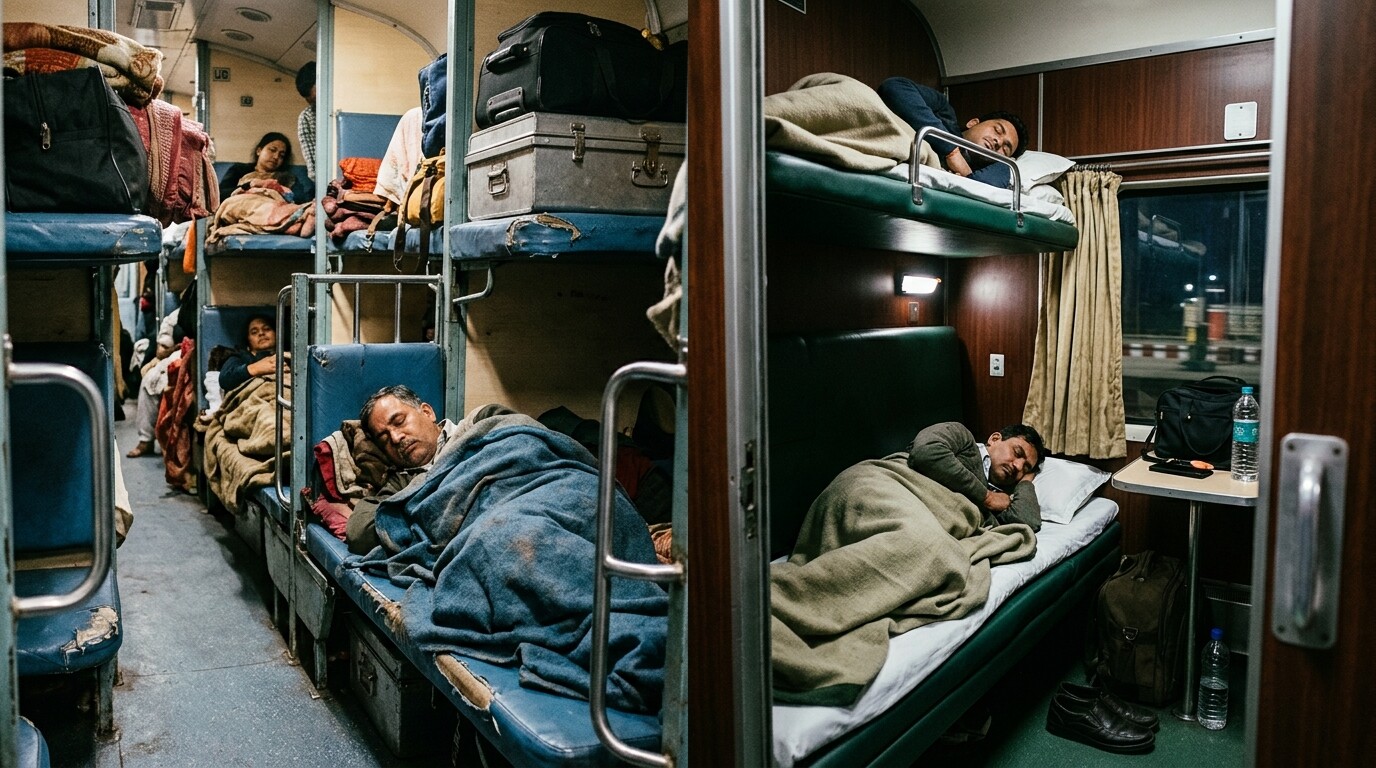
First-class sleepers normally have two berths in a compartment. A single berth reservation does not necessarily provide exclusive use of the compartment. Check the occupancy rules, facilities and available options for your selected train before paying.
Second-class AC sleepers offer curtained berths in a shared carriage. Lower berths generally provide more width and a window; upper berths require climbing and may suit a different budget. Compare the actual berth options and price for your date. See the Thailand train travel guide for route planning.
Some services offer accommodation designated for women and children. Check whether it is offered on your train and read the current eligibility rules before selecting it; do not assume it is available on every route.
| Class | Bed Type | Privacy | Fare check | Action |
|---|---|---|---|---|
| First Class AC | Private Cabin (Upper/Lower) | Locking Door | Check the selected train and date | Check available classes |
| Second Class AC | Open Plan (Lower Bunk) | Heavy Curtain | Check the selected train and date | Check available classes |
| Second Class AC | Open Plan (Upper Bunk) | Heavy Curtain | Check the selected train and date | Check available classes |
| Second Class Fan | Open Plan (Lower Bunk) | Curtain | Check the selected train and date | Check available classes |
Daytime Cruising: Second Class Seats Explained
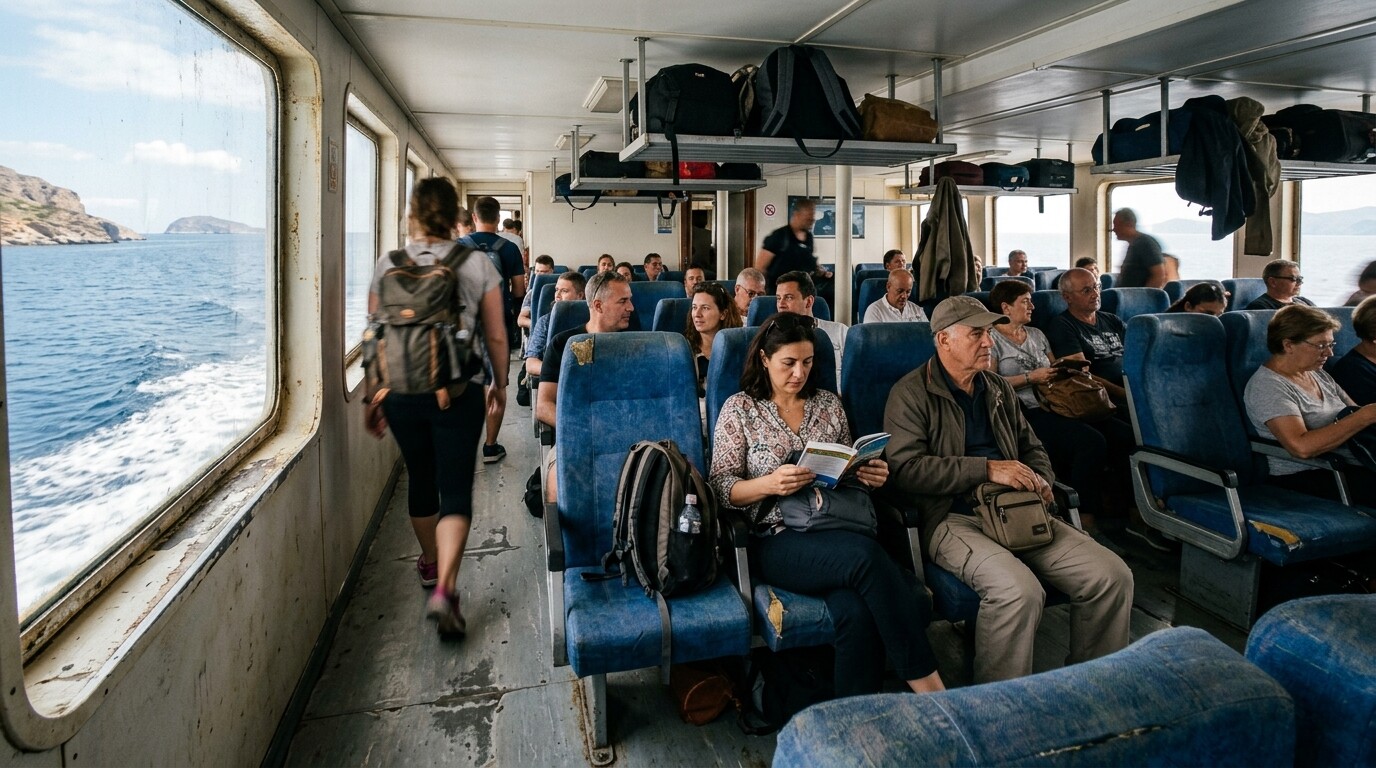
For a daytime journey, a second-class seat may be more practical than a sleeper. Seat design, reclining features, cooling and power outlets vary by train. Check the listed accommodation rather than assuming that all second-class carriages have the same equipment. Keep your body and belongings inside the carriage.
Some services may include catering, while others require you to buy food separately. Check your selected service before relying on a meal. Our Thailand train travel and booking guide explains what to review before paying.
The Third Class Fan Experience: Cheap and Gritty
Third-class carriages provide basic seating, often with fans and open windows. They can be useful for local journeys and travellers comfortable with a simpler environment. Fares and ticket-purchase arrangements depend on the service; check the current route information or station ticket office.
Consider the full journey duration, heat, seating and your ability to rest. For an overnight trip, compare a sleeper if you need a bed. For shorter journeys, a basic seat may meet your needs. Check available trains and accommodation.
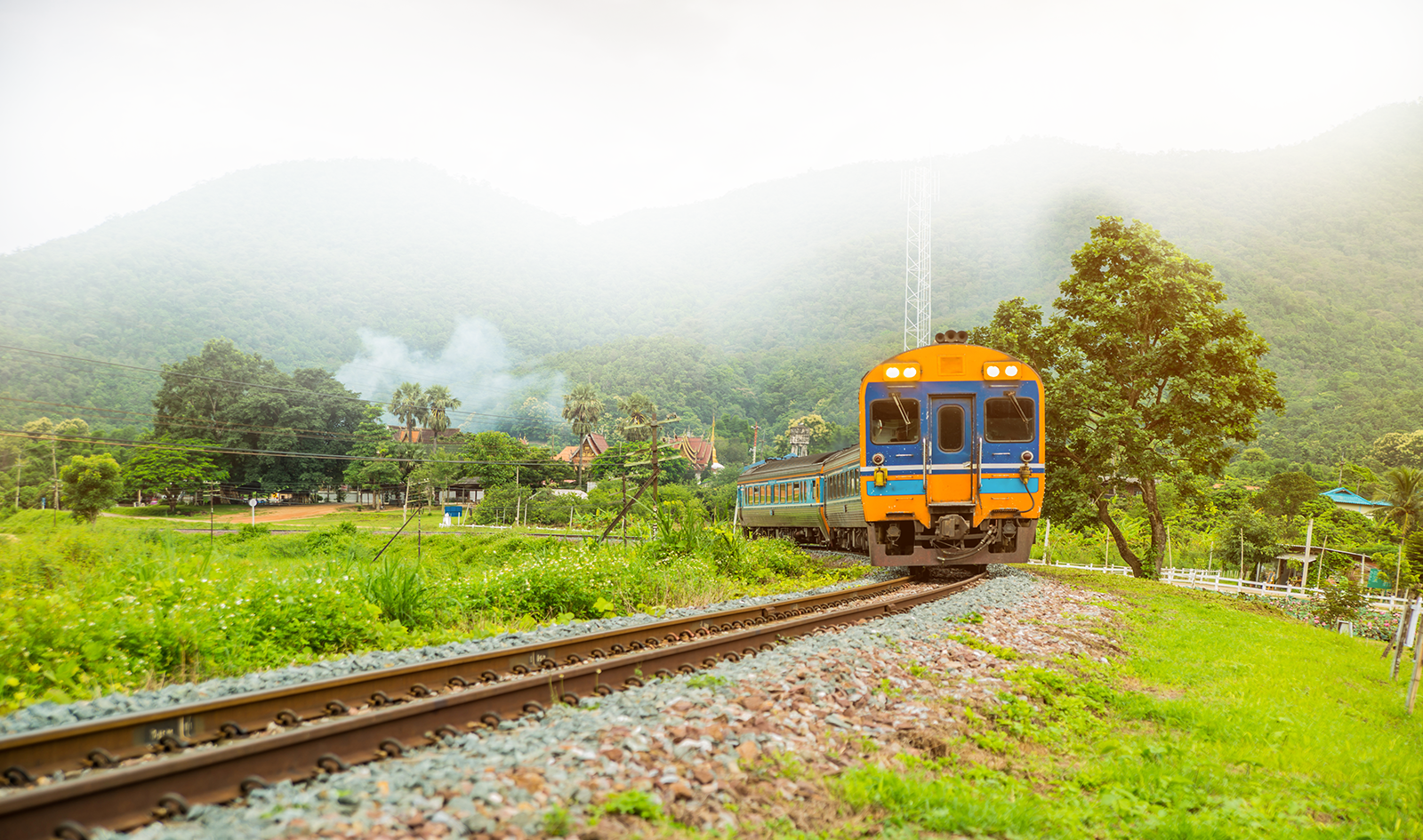
On the Kanchanaburi line, the scenery is part of the journey. Take photographs from safely inside the carriage and keep clear of doors and windows. Follow staff instructions; never lean outside for a photograph.
| Class | Seat Type | Air Conditioning | Fare check | Action |
|---|---|---|---|---|
| Second Class Seat | Reclining, Padded | Yes | Check the selected train and date | Check available classes |
| Third Class Seat | Fixed Bench | No (Fans only) | Check the selected train and date | Buy at Station |
Food, Drink, and Amenities Across Thai Train Classes
Food service varies by train and may change. Check whether your service has catering and whether meals are included in the ticket. Bring drinking water and suitable snacks if you cannot rely on food being available.
Follow the current SRT rules and station notices on alcohol and other prohibited items. Bring drinking water, and check any onboard service information before departure.
Toilet type, washbasins, showers and power outlets vary by carriage. Do not assume that booking a particular class guarantees a shower or a specific toilet layout. Carry tissues and hand sanitiser, and check accessibility needs with the operator before booking.
7 Pro Tips for Thai Train Travel in 2026
- Compare upper and lower berths. Lower berths generally provide more width and a window; upper berths require climbing. Check the fare and availability for your selected train.
- Bring a light layer. Air-conditioned carriages can feel cool during an overnight journey.
- Check the carriage type. Train numbers and equipment matter as well as class labels. Consult the Bangkok–Chiang Mai sleeper guide and verify your selected service. Keep your body inside the train when taking photographs.
- Pack basic supplies. Bring tissues, hand sanitiser, water and any personal items you will need during the journey.
- Plan island connections separately. Check the transfer pickup, ferry check-in deadline and what each ticket includes. The Bangkok–Koh Samui connection guide explains the stages; a train ticket does not automatically include a bus or ferry.
- Mind the luggage rules. Your bags go on racks near your bed or at the end of the car. Keep your passport and wallet in your bunk. Check our Thailand Train Luggage Rules: Size Limits & Storage (2026) to see what fits.
- Check the applicable sales window. Advance booking rules depend on the train and journey. Consult SRT D-Ticket or your selected booking channel for your date; do not assume every service opens 90 days ahead.
Frequently Asked Questions
What are the best Thai train classes for overnight journeys?
Second-class AC sleepers offer a bed with a curtain in a shared carriage. First class normally offers a two-berth compartment. The better choice depends on your budget, privacy preference and the accommodation available on your selected train.
Can you book Thai train classes online?
Many train services can be booked online, subject to the train, journey and sales window. Check your selected date and class, the total price and the confirmation conditions before paying. A preferred berth is subject to availability.
What is the difference between upper and lower berths on Thai trains?
Lower berths generally provide more width and a window. Upper berths require climbing and have a different layout. Check the actual carriage and fare; neither option is best for every traveller.
Is Third Class among Thai train classes worth it?
Third-class seating may suit local journeys and travellers comfortable with basic accommodation. Consider the duration, cooling and your ability to rest. For an overnight journey, compare sleeper options if you need a bed.
What facilities are available in First Thai train classes sleepers?
First-class sleepers normally offer two berths in an air-conditioned compartment. Washbasins, sockets, showers and other facilities depend on the carriage. Verify the selected train and whether your booking covers one berth or the whole compartment.
Where do most long-distance trains depart from in Bangkok?
Many long-distance northern and southern services use Krung Thep Aphiwat Central Terminal. Other services use different Bangkok stations. Always use the departure station shown for your train and ticket.